
HVAC Training Programs in the U.S.: Costs, Certifications, and How to Choose the Right Path
HVAC systems are essential in homes, offices, and industrial buildings across the United States. As demand for climate control and energy efficiency continues to rise, trained HVAC technicians remain in steady demand. HVAC training programs provide structured pathways to learn technical skills, prepare for certification, and enter a stable, hands-on career field with long-term opportunities.
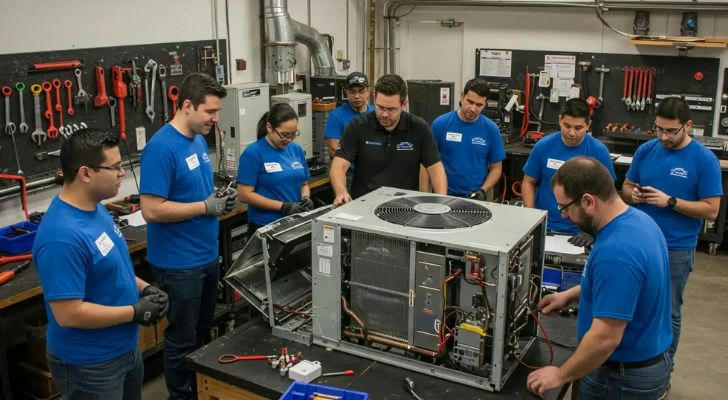
What HVAC Training Programs Typically Include
HVAC training programs combine classroom instruction with hands-on practice. These programs are commonly offered by trade schools, technical institutes, and community colleges.
Core subjects often include:
- Heating and cooling system fundamentals
- Electrical systems and controls
- Refrigeration cycles and components
- Installation and maintenance procedures
- Troubleshooting and diagnostics
- Blueprint reading and system basics
Many programs include lab training with real HVAC equipment, helping students gain practical experience before entering the workforce.
Types of HVAC Training Programs
HVAC education is available in several formats depending on career goals and time commitment.
| Program Type | Typical Duration | Outcome |
|---|---|---|
| Certificate Programs | 6–12 months | Entry-level technician roles |
| Diploma Programs | 9–18 months | Expanded technical training |
| Associate Degree | 2 years | Broader knowledge and advancement potential |
| Apprenticeships | 3–5 years | Paid work experience with classroom instruction |
Apprenticeships are often coordinated through industry organizations such as the Air Conditioning Contractors of America (ACCA).
HVAC Certification and Licensing Requirements
Most HVAC technicians pursue certifications to meet job requirements and industry standards.
The EPA Section 608 certification, regulated by the United States Environmental Protection Agency (EPA), is required for technicians who handle refrigerants.
Other certifications may include:
- NATE (North American Technician Excellence)
- HVAC Excellence certification
- State-specific licensing
Licensing requirements vary by state and may include exams, work experience, and continuing education.
Average Cost of HVAC Training Programs
The cost of HVAC training depends on the type of program and institution.
| Program Type | Typical Cost Range |
|---|---|
| Certificate Programs | $3,000 – $7,000 |
| Diploma Programs | $5,000 – $15,000 |
| Associate Degree | $15,000 – $30,000 |
According to the National Center for Education Statistics (NCES), public community colleges generally offer lower tuition compared to private technical schools.
Financial aid and workforce training support may be available depending on eligibility.
Skills Developed During HVAC Training
HVAC programs focus on building practical, job-ready skills.
Key skills include:
- Diagnosing and repairing HVAC systems
- Installing heating and cooling equipment
- Reading wiring diagrams and schematics
- Performing routine maintenance
- Understanding energy efficiency standards
- Following safety regulations
Training also emphasizes workplace safety standards established by the Occupational Safety and Health Administration (OSHA).
Job Outlook and Career Opportunities
HVAC technicians are in steady demand across residential, commercial, and industrial sectors.
According to the U.S. Bureau of Labor Statistics (BLS):
- Employment is projected to grow steadily over the next decade
- Median annual wages exceed $50,000, with higher earnings based on experience
Common entry-level roles include:
- HVAC installer
- Service technician
- Maintenance technician
With experience, career paths may expand into supervisory roles, system design, or independent contracting.
How to Compare HVAC Training Programs
Selecting the right program involves evaluating more than cost.
Important factors include:
- Accreditation and reputation
- Hands-on training availability
- Certification preparation (EPA 608, NATE)
- Job placement support or apprenticeship connections
- Schedule flexibility
Programs with strong employer partnerships may offer better career entry opportunities.
When to Consider HVAC Training
HVAC training programs are often suitable for:
- Career changers entering skilled trades
- High school graduates exploring technical careers
- Individuals seeking stable, hands-on work
- Job seekers interested in long-term employment opportunities
Because HVAC systems are essential in most buildings, demand for trained technicians remains consistent.
Conclusion
HVAC training programs offer structured pathways into a technical field that combines practical skills with stable career opportunities. With multiple program options, certification paths, and employment outcomes available, prospective students can choose training that aligns with their goals and timeline.
Careful comparison of program features, certification preparation, and hands-on experience can help identify options that support long-term career success.